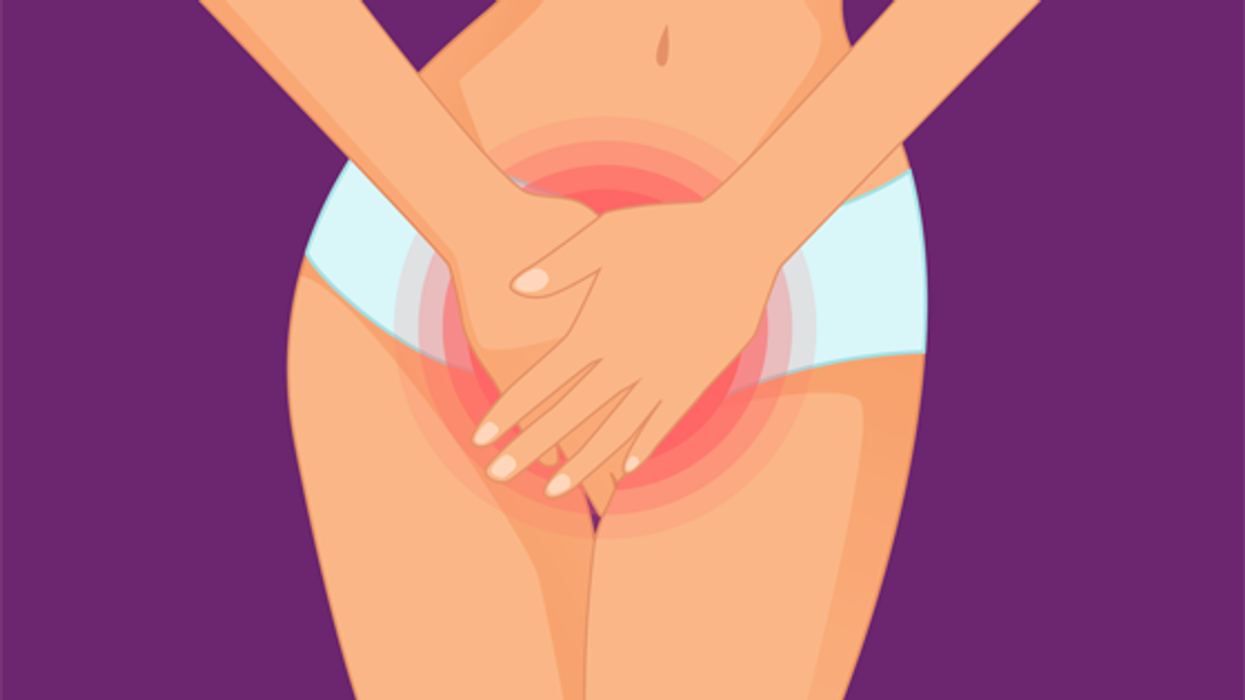
Vaginal discharge is a normal part of being a woman, but what happens when your discharge changes color or smells — or you start feeling itching or burning? Many conditions and infections have similar symptoms. It can be hard to tell what your vagina is trying to tell you, so we’ve created a quick reference guide to help you understand the differences between some common vaginal infections and guide the conversation with your healthcare provider (HCP).
Atrophic vaginitis (Vaginal Atrophy)
Symptoms
There are many symptoms of atrophic vaginitis. You might have:
- Vaginal dryness
- Burning or itching in your vagina
- More vaginal discharge than you normally have
- Burning when you pee or an increased or urgent need to pee
- Urinary tract infections (UTIs) that come back often
- Urinary incontinence (loss of bladder control)
- Pain or dryness during sex
- Bleeding after sex
Causes
Atrophic vaginitis happens when your body makes less estrogen, the hormone that makes and maintains the female reproductive system.
Some causes of lower estrogen levels are:
- Menopause or perimenopause (the years leading up to menopause)
- Hysterectomy, a surgery that removes your uterus
- Breastfeeding
- Certain medications
- Certain cancer treatments
Treatment
There are many treatment options available to ease the symptoms of atrophic vaginitis, such as:
- Moisturizers and lubricants
- Estrogen that you put in your vagina
- Medications you take by mouth
- Estrogen pills or patches
- Vaginal dilators that stretch the muscles in your vagina
Prevention
- While you can’t prevent perimenopause or menopause, you can work with your HCP to manage your symptoms.
- Regular safe sex and not smoking might help prevent atrophic vaginitis.
Good to Know
- Your HCP might refer to atrophic vaginitis and other symptoms together as genitourinary syndrome of menopause (GSM).
- During atrophic vaginitis, the lining of the vagina gets thinner and drier.
- Atrophic vaginitis is not an infection.
Bacterial Vaginosis (BV)
Symptoms
The majority of people with BV don’t have symptoms.
If you do, you might experience:
- Off-white, gray or greenish discharge
- Fishy-smelling discharge
- Itching or soreness in the vagina (less common)
Causes
BV is caused when the naturally occurring bacteria that live in and around the vagina get off balance.
Treatment
Your HCP may prescribe antibiotics that can be taken orally or inserted into the vagina with a gel or cream.
Prevention
Some ways you can prevent BV are:
- Avoid douching, which disrupts your vaginal bacteria.
- Wipe front to back after going to the bathroom.
- Use latex condoms or dental dams during sex.
- Wear breathable, cotton underwear, especially in environments where you’ll be sweating a lot.
Good to Know
- BV is the most common type of vaginal infection.
- BV is not an STI.
- BV affects about one out of three women ages 14-49 in the U.S.
- Douching can worsen BV symptoms.
- BV is not a yeast infection.
Chlamydia
Symptoms
It’s common for chlamydia to have no symptoms.
If you do have symptoms, they might include:
- Pain when you pee
- Painful sex
- Pain in your lower belly
- Yellowish vaginal discharge with a strong smell
- Bleeding between periods
- Pain, discharge and/or bleeding around the anus
Causes
- Chlamydia is an STI caused by having unprotected sex with a partner who has the infection.
- Chlamydia can also be passed from a pregnant person to the baby during childbirth.
Treatment
An HCP will prescribe antibiotics to treat and cure chlamydia.
Prevention
- The only way to completely prevent an STI is by not having sex, including vaginal, anal or oral sex. If you do have sex, always use a condom made from latex or polyurethane, not lambskin.
- Before having sex, make sure you and your partner get tested for STIs.
- If you are being treated for chlamydia, don’t have sex for 7 days after beginning your treatment to prevent reinfection.
Good to Know
- Chlamydia is the most common STI in the military.
- When chlamydia isn’t treated, it can lead to serious health issues in women, such as pelvic inflammatory disease and infertility.
- Women and men, as well as babies born to mothers with untreated chlamydia, can get infected.
Gonorrhea (“The Clap”)
Symptoms
Most people with gonorrhea don’t have symptoms.
If you do have symptoms, they may include:
- Pain or burning when you pee
- More vaginal discharge than you normally have
- Bleeding between periods
Causes
- Gonorrhea is an STI caused by having unprotected sex with a partner who has the infection.
- Gonorrhea can also be passed from a pregnant person to the baby during childbirth.
Treatment
Gonorrhea can be treated by antibiotics prescribed by your HCP. It’s important to take your medication exactly as it’s prescribed, and your HCP may test you again after you complete treatment to make sure it worked.
Prevention
- The only way to completely prevent an STI is by not having sex, including vaginal, anal or oral sex. If you do have sex, always use a condom made from latex or polyurethane, not lambskin.
- Before having sex, make sure you and your partner get tested for STIs.
- If you are being treated for gonorrhea, don’t have sex for 7 days after completing your treatment.
Good to Know
- Treatment for gonorrhea is getting more difficult because of antimicrobial resistance.
- When gonorrhea goes untreated, it can lead to serious health issues in women such as pelvic inflammatory disease and infertility.
- Women and men, as well as babies born to mothers with untreated chlamydia, can get infected.
Noninfectious Vaginitis
Symptoms
Symptoms of noninfectious vaginitis might include:
- Itching or burning in the vagina
- More vaginal discharge than you normally have
- Pelvic pain
- Pain during sex
Causes
Noninfectious vaginitis means that there is no infection causing your symptoms.
Instead, it’s likely caused by an allergic reaction or irritation from something that touched your vagina, such as:
- Sprays
- Douches
- Products with spermicide in them
- Scented soaps, detergents, period products or fabric softeners
Treatment
To treat noninfectious vaginitis, you have to figure out what is causing it first. The symptoms of noninfectious vaginitis are similar to some infections, so it’s best to talk to your HCP about your concerns.
Prevention
Because many different things can cause noninfectious vaginitis, there is no one way to prevent it. Try these methods to keep your vagina clean and healthy:
- Avoid douching, which disrupts your vaginal bacteria.
- Avoid scented products that touch your vagina, such as soaps, period products, and flavored condoms and lubricants.
- Use unscented detergents to wash your underwear.
Good to Know
You can have an allergic reaction or get irritation inside your vagina or on your vulva (the skin around your vagina).
Trichomoniasis (“Trich”)
Symptoms
If you have trich, you might experience:
- Discomfort during sex
- Itching, burning, redness or soreness in the vagina
- Pain when you pee
- Clear, white, yellowish or greenish vaginal discharge
- Fishy-smelling discharge
Causes
Trich is an STI caused by having unprotected sex with a partner who has the infection.
Treatment
Your HCP will prescribe an oral medication to get rid of trich.
Prevention
- The only way to completely prevent an STI is by not having sex, including vaginal, anal or oral sex. If you do have sex, always use a condom made from latex or polyurethane, not lambskin.
- Before having sex, make sure you and your partner get tested for STIs.
- If you are being treated for trich, having sex during treatment or within a week after completing treatment might cause a reinfection.
Good to Know
- Both women and men can get trich.
- African American women may be at higher risk for getting trich.
- More women get trich than men.
Yeast Infection
Symptoms
Common symptoms include:
- Whitish or yellowish discharge that can be chunky
- Itchiness in the vagina and vulva
- Swelling or soreness around the vagina
- Burning when you pee or during sex
- Pain during sex
- Redness in the vulva
- Vaginal rash
Causes
Yeast naturally lives on your skin, including around the vagina.
Certain things can cause too much of that yeast to grow, such as:
- Certain antibiotics
- Pregnancy
- Uncontrolled diabetes
- Weakened immune system
- Stress
- Hormonal changes during your period
Treatment
Your HCP might prescribe antifungal cream, ointment or medication to either take by mouth or insert into the vagina.
Prevention
There are a few ways to reduce your risk of yeast infections, including:
- Avoid using scented products around your vagina.
- Avoid douching, which disrupts your vaginal bacteria.
- Change out of wet or sweaty clothing and underwear as soon as possible.
- Wear breathable, cotton underwear, especially in environments where you’ll be sweating a lot.
- Use water-based lubricants during sex.
- Work with your HCP to manage conditions that weaken your immune system.
Good to Know
- Yeast infections are not sexually transmitted infections (STIs).
- Yeast infections can be found in more areas than just the vagina.
- Anyone can get a yeast infection, including women, men and children.
- Frequent yeast infections can be a sign that you have a condition that's weakening your immune system, such as uncontrolled diabetes.
This resource was created with support from the Ready, Healthy & Able program funders.
Original Article