[embed]https://www.youtube.com/watch?v=sQ_gfMyZXPQ[/embed]
Memory loss is one of the biggest fears people have about aging—but what if much of what we believe about it is wrong?
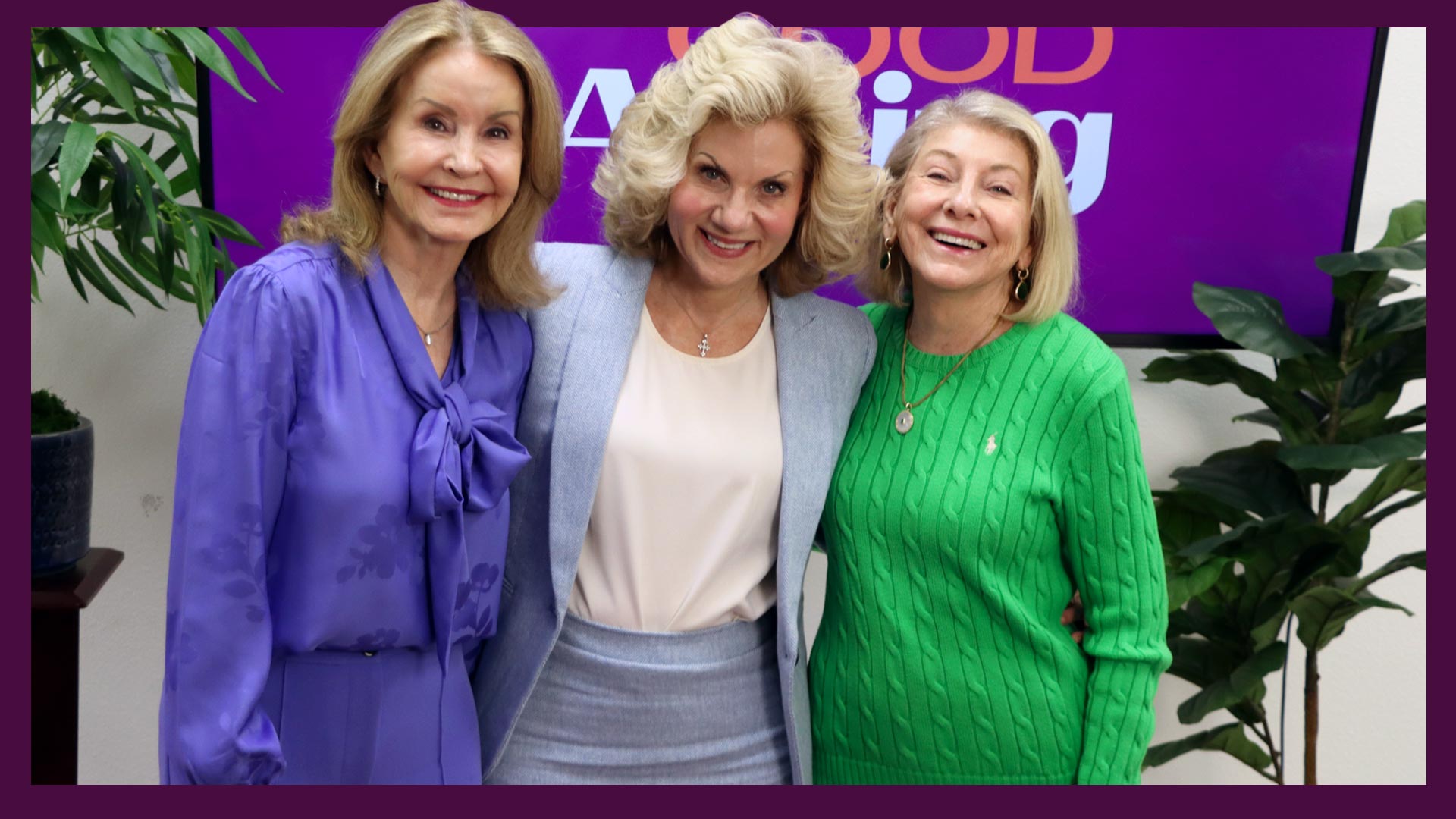
In a recent episode of Crazy Good Aging, Dorothy Shore and Valerie Freeman spoke with board-certified neurologist Dr. Debbie Cantrell, who shared a powerful message: significant memory decline is not a normal part of aging.
Is Memory Loss Inevitable?
Many people assume that forgetfulness naturally comes with age—but according to Dr. Cantrell, that belief is misleading.
“You should be thinking at 104 the same way you were at 20,” she explains.
While occasional lapses—like forgetting why you walked into a room—can happen, ongoing cognitive decline should never be ignored or dismissed as “just aging.”
Why Brain Health Is Often Overlooked
We routinely prioritize preventive care for our bodies—annual checkups, mammograms, bloodwork—but rarely do we take a proactive approach to brain health.
Dr. Cantrell compares it to ignoring warning lights on your car dashboard.
Instead of reacting with fear, she encourages women to take action early and get informed.
The Foundation of Brain Health
Protecting your brain starts with a strong daily foundation. According to Dr. Cantrell, key pillars include:
1. Hydration
The brain requires ample water to function properly.
2.Nutrition
One of the most surprising takeaways:
- The brain does not like sugar or excessive carbohydrates
- Diets high in processed foods and artificial sweeteners can be harmful
In fact, some researchers have even referred to Alzheimer’s as “Type 3 diabetes” due to its connection to glucose metabolism.
A brain-friendly diet includes:
- Lean proteins (especially fish)
- Leafy green vegetables
- Berries (blueberries, strawberries, raspberries)
3. Sleep
Aim for 7–10 hours of quality sleep per night to support brain repair and detoxification.
4. Fasting
A daily fasting window of 12–14 hours (often overnight) helps restore brain function.
5. Exercise
At least 30 minutes of movement, six days a week improves circulation and brain health.
6.Cognitive Activity
Your brain needs exercise just like your body. Activities like:
- Reading
- Puzzles
- Games
- Learning new skills
help maintain cognitive function over time.
What About Genetics?
If Alzheimer’s runs in your family, you may feel like your future is predetermined—but that’s not entirely true.
Certain genes (like APOE4) can increase risk, but lifestyle factors still play a major role in whether those risks develop into disease.
The takeaway:
Genetics may load the gun—but lifestyle pulls the trigger.
Early Detection Matters
Dr. Cantrell emphasizes the importance of proactive testing, even before symptoms appear.
A comprehensive brain health check may include:
- MRI imaging
- Cognitive assessments
- Blood tests (including vitamin levels and genetic markers)
Catching issues early can help slow—or even improve—cognitive decline.
The Hidden Danger: Caregiver Burnout
One often-overlooked issue is the toll on caregivers.
Caring for someone with dementia is physically, emotionally, and mentally exhausting. Without proper support, caregivers themselves are at risk of declining health.
Dr.
Cantrell stresses that caregivers must prioritize their own well-being—because you can’t care for others if you’re running on empty.
Can Cognitive Decline Be Reversed?
While there’s currently no cure for Alzheimer’s, Dr. Cantrell shares encouraging news:
With the right lifestyle changes and interventions, some patients can improve cognitive function or stabilize their condition.
This represents a shift from older beliefs that brain decline is irreversible.
Small Changes, Big Impact
If you’re looking for a place to start, Dr. Cantrell offers simple but powerful advice:
Stop doing:
- Consuming artificial sweeteners
Start doing:
- Reducing carbs and sugar
- Supporting your brain with proper nutrition and habits
Fear vs. Empowerment
Perhaps the most important takeaway is mindset.
Fear of memory loss is common—but staying in fear doesn’t help.
Instead, Dr.
Cantrell encourages women to use that fear as motivation to take action, get informed, and proactively protect their health.
Final Thoughts
Your brain is your most valuable asset—and it deserves the same level of care as the rest of your body.
The good news?
There’s more you can do than ever before to stay sharp, independent, and mentally strong as you age.
Start with small changes today—and your future self will thank you.
Disclaimer: This story is auto-aggregated by a computer program and has not been created or edited by evesfit.
Publisher: Source link