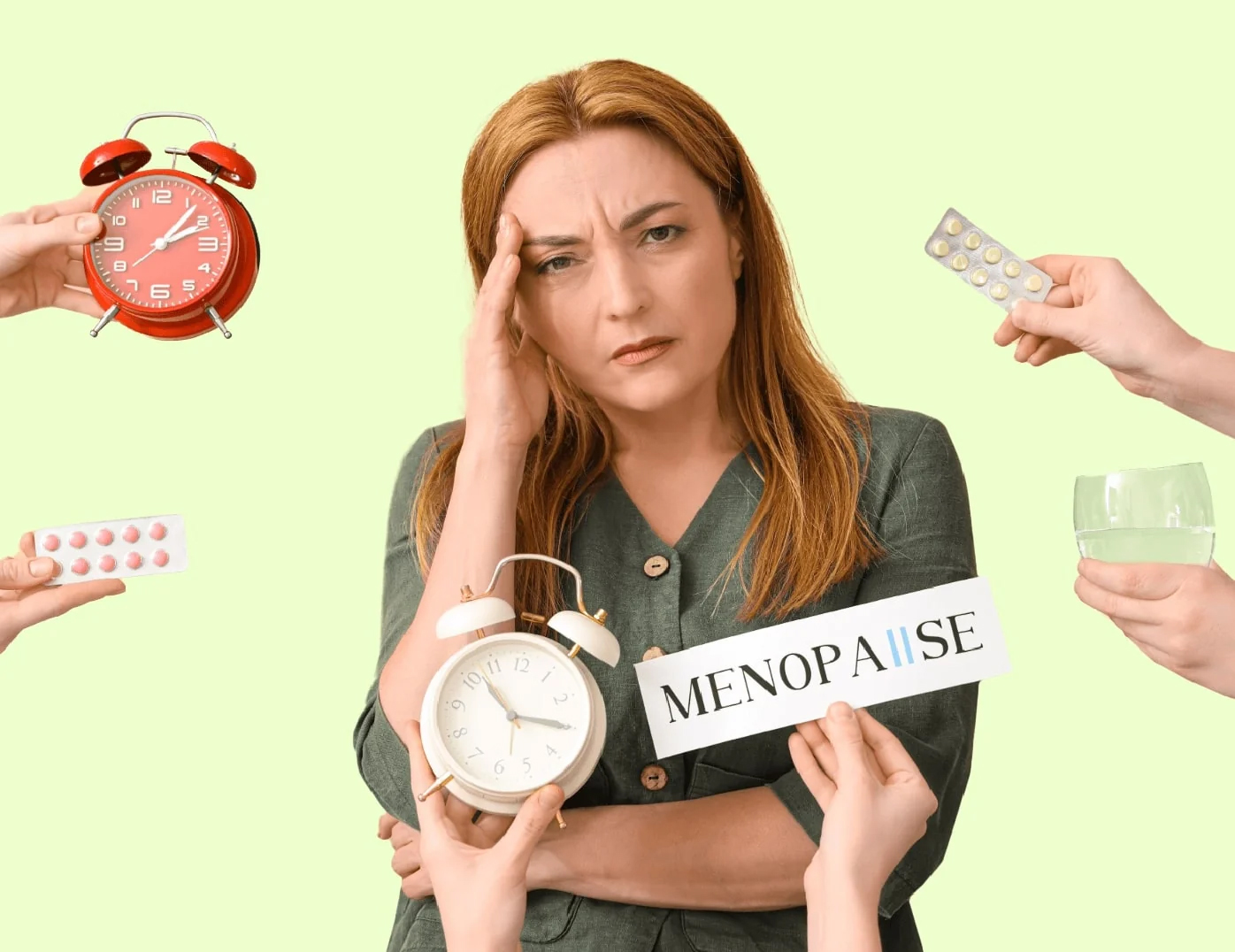
If you’re in perimenopause or menopause, you’ve probably noticed that advice about it is everywhere, and not all of it is reliable. This October, the American College of Obstetricians and Gynecologists (ACOG) released a new clinical practice guideline on managing menopause-related hot flashes, sleep problems, and mood changes. ACOG calls it its most comprehensive menopause guidance to date, and it replaces the 2014 version.
Here’s what it says, in plain language, and what it may mean for the way you move, sleep, and talk with your doctor.
Why this matters
These symptoms are common. According to the guideline, between 50% and 92% of women going through menopause have vasomotor symptoms (hot flashes and night sweats), and between 16% and 66% of women in the US report menopause-related sleep disruption.
Roughly a third of peri-menopausal and postmenopausal women worldwide report depressive symptoms.
In other words, if you’re struggling, you’re far from alone, and there are more evidence-based options than there used to be.
Hormone therapy: still the frontline option for many
ACOG strongly recommends systemic menopausal hormone therapy (MHT) for hot flashes and for sleep problems caused by them, in women who have no contraindications. Women with a uterus would typically take estrogen plus a progestogen, while estrogen alone may be used when protecting the uterine lining isn’t needed.
The guideline also conditionally suggests a combination of conjugated estrogen and bazedoxifene as an alternative to estrogen-progestogen therapy for vasomotor-related sleep disturbance. And it includes practical advice on monitoring, managing unscheduled bleeding, and stopping treatment.
On mood, the picture is less clear. ACOG found the evidence insufficient to recommend for or against hormone therapy specifically for menopause-related depressive symptoms.
If hormones aren’t right for you
Not everyone can or wants to take hormones.
For those women, ACOG strongly recommends a newer class of nonhormonal medications called neurokinin receptor antagonists, which includes fezolinetant (Veozah) and elinzanetant (Lynkuet), for hot flashes and the sleep problems that go with them. The guideline also discusses SSRIs and SNRIs, which may help women with hot flashes, depression, or both.
One expert quoted in Medscape’s coverage called the newer drugs a game-changer for women who can’t take hormones. Access and insurance coverage still vary, so it’s worth asking your clinician what’s realistic for you.
The fitness angle: movement and mind-body tools
This is the part of the guideline that speaks directly to our community. ACOG conditionally recommends several non-drug approaches for one or more symptoms across hot flashes, sleep, mood, and anxiety:
- Exercise
- Cognitive behavioral therapy (CBT)
- Mindfulness-based interventions
- Clinical hypnosis
- Acupuncture
A “conditional” recommendation means the evidence is supportive but not as strong as for the medications above, so these are best seen as valuable options and companions to medical care rather than guaranteed fixes.
The good news is that they carry little downside, and many women find that regular movement, a calmer nervous system, and better sleep habits support each other.
Practical ways to put this into your week:
- Pick activity you’ll actually keep doing, whether that’s walking, strength training, swimming, yoga, or dance.
- Try a mindfulness or breathing practice in the evening to wind down before sleep.
- If low mood or anxiety is weighing on you, ask about CBT. It can be done with a therapist or through structured programs.
- Track your symptoms for a few weeks. Notes on what helps and what doesn’t make doctor visits more productive.
What the guideline doesn’t cover
This guideline focuses on hot flashes, sleep, and mood. It doesn’t address genitourinary syndrome of menopause (vaginal and urinary symptoms).
ACOG is developing separate guidance on that topic, expected in 2027.
Some clinicians have also noted that the guideline could offer more practical direction on weighing cardiovascular and breast cancer risk when deciding on treatment. That’s one reason an individual conversation with your doctor matters.
Questions to bring to your appointment
- Based on my health history, am I a good candidate for hormone therapy?
- If not, would a nonhormonal medication be a good fit?
- Which lifestyle or mind-body approaches could I add alongside treatment?
- How will we monitor how it’s working, and when should we revisit the plan?
The bottom line
Menopause is a normal phase of life, but you don’t have to simply tough out the symptoms. ACOG’s updated guidance gives clinicians and patients a wider menu of evidence-based options, from hormone therapy and newer nonhormonal medications to exercise and mind-body practices. The best plan is the one tailored to you.
This article is for general information only and isn’t medical advice.
Please talk with your healthcare provider about the right approach for your situation.
Sources: ACOG Clinical Practice Guideline on Management of Menopause-Related Vasomotor, Sleep, and Mood Symptoms (October 2026); ACOG news release; Medscape Medical News, October 20, 2026.
Disclaimer
The Content is not intended to be a substitute for professional medical advice, diagnosis, or treatment. Always seek the advice of your physician or other qualified health provider with any questions you may have regarding a medical condition.
Disclaimer: This story is auto-aggregated by a computer program and has not been created or edited by evesfit.
Publisher: Source link