
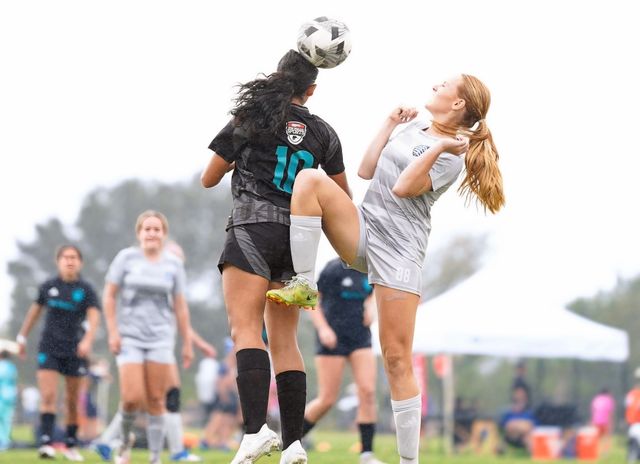
Concussions are among the most concerning injuries in sports, affecting athletes of different ages and skill levels. They occur when a blow or sudden movement causes the brain to move rapidly inside the skull, temporarily disrupting normal brain function. Although contact sports receive the most attention, concussions can happen during nearly any athletic activity. Knowing how frequently these injuries occur, which sports carry greater risks, and how to recognize symptoms can help athletes and families make safer decisions.
How Frequently Do Sports Concussions Occur?
Sports-related concussions affect thousands of athletes annually, although determining an exact number is difficult.
Many injuries go unreported because symptoms are overlooked or athletes hesitate to leave competition.
The Centers for Disease Control and Prevention estimates that approximately 1.6 million to 3.8 million sports- and recreation-related concussions occur annually in the United States. This widely cited historical estimate includes recreational activities beyond organized athletics and should not be interpreted as a current annual count. Reported concussion rates also depend on athlete age, competition level, and the methods used to track injuries.
Which Sports Carry The Greatest Risks?
Football consistently ranks among sports with substantial concussion exposure, particularly during competitive games. Tackling, blocking, and collisions create opportunities for head impacts.
Ice hockey also presents risks because players move at high speeds and may collide with opponents, boards, or the ice.
Equipment choices, including custom hockey sticks, can affect playing preferences, but concussion prevention depends primarily on protective practices, rule enforcement, and appropriate head protection.
Soccer, basketball, lacrosse, and wrestling also report concussions. In soccer, injuries frequently involve player collisions rather than intentional heading alone.
Recognizing Concussion Symptoms
Concussion symptoms may appear immediately after an impact or develop over several hours. Common warning signs include headaches, dizziness, nausea, confusion, blurred vision, and sensitivity to light.
Some athletes experience difficulty concentrating, memory problems, or unusual fatigue. Loss of consciousness is possible but does not occur in most concussions.
Any athlete with a suspected concussion should be removed from play immediately and evaluated by a qualified healthcare professional.
Emergency symptoms, including repeated vomiting, seizures, worsening headaches, or increasing confusion, require urgent medical attention.
Why Repeat Concussions Matter
Athletes who return before recovering may experience prolonged symptoms or additional injuries. Repeated head impacts also raise concerns about long-term neurological health.
Recovery varies between individuals, making standardized return dates inappropriate. Healthcare professionals typically recommend a gradual return to school, exercise, and competition based on symptoms and clinical progress.
Reducing Concussion Risks
No helmet or protective device can completely prevent concussions. However, properly fitted equipment, safer playing techniques, and consistent rule enforcement can reduce certain injury risks.
Coaches should teach appropriate contact techniques and discourage dangerous behavior.
Athletes also need encouragement to report symptoms without fearing punishment or lost playing time.
Concussions remain a significant concern across organized sports and recreational activities. Their frequency varies, but every suspected injury deserves prompt attention. Protecting brain health should remain a priority throughout an athlete’s participation in sports. Check out the infographic below for more information.
Disclaimer: This story is auto-aggregated by a computer program and has not been created or edited by evesfit.
Publisher: Source link