Each year, there are about 42,000 cases of liver cancer in the United States. According to the National Cancer Institute, liver cancer cases in the country have more than tripled since 1980. And deaths from liver cancer have nearly doubled in the same time.
Researchers don’t fully understand why cases are on the rise, but the increase could be linked to liver damage associated with two common aspects of modern life: alcohol consumption and high-fat, high-sodium diets.
What is liver cancer?
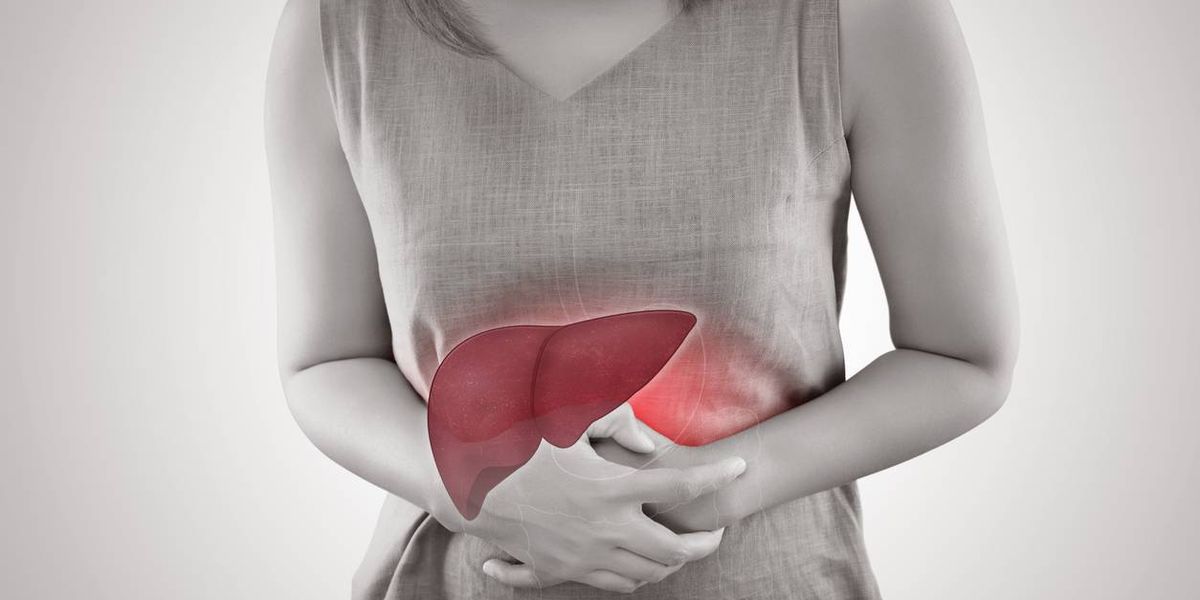
A liver cancer diagnosis refers to cancer that starts in the liver. It means that a malignant (cancerous) tumor has grown inside your liver, the body’s largest internal organ.
The liver has many important functions.
These include:
- Helping with digestion by breaking down and storing key nutrients
- Making clotting factors to prevent excessive bleeding anywhere in the body
- Delivering the digestive fluid known as bile into the intestines through bile ducts to process fats and other nutrients
- Breaking down alcohol, medications and toxins in the blood so they can pass from the body via pee or poop
When cancer starts in the liver, it is called a primary liver cancer diagnosis. When cancer spreads to the liver from another organ, it’s called secondary liver cancer or liver metastases. Colorectal cancer is the most likely to metastasize (spread) to the liver. Other types of cancer that often spread to the liver include cancers of the esophagus, stomach, kidney, pancreas, lung and breast, as well as melanoma.
If this happens, your clinician will continue to treat your original cancer as well as the liver metastases.
What are the different types of liver cancer?
There are several different types of primary liver cancer, but the most common form in adults is hepatocellular carcinoma (HCC).
HCC starts in hepatocytes, the cells that make up most of the liver.
What are the risk factors for liver cancer?
Any condition or activity that can harm your liver increases your risk of developing primary liver cancer.
Risk factors for liver cancer include:
When liver damage occurs over many years, it results in cirrhosis, or permanent scarring inside the liver. Cirrhosis can lead to liver failure and, ultimately, to liver cancer. Hepatitis, alcohol use and metabolic factors are the most common causes of cirrhosis.
Can you prevent liver cancer?
Fortunately, you can decrease most risk factors for primary liver cancer. Here are some steps you can take:
- Get vaccinated against hepatitis B
- Avoid hepatitis C infections by practicing safe sex and only getting piercings or tattoos at high-quality, safety-conscious shops
- Drink little to no alcohol
- Exercise regularly
- Strive for a healthy weight
- Don’t smoke
Talk to your clinician if you need help addressing any of these liver cancer risk factors.
What are the symptoms of liver cancer?
As with many other gastrointestinal cancers, most people don’t have any signs or symptoms of early-stage liver cancer.
But if they do, symptoms can include:
- Loss of appetite or unexplained weight loss
- Nausea or vomiting
- Fatigue
- Fever
- Easy bruising
- Dark urine or light-colored stools
- Right-side pain just below your ribcage
- Itchy skin all over
- Yellowing of your skin or whites of your eyes (jaundice)
Can screening for liver cancer diagnose it early?
At this time, routine screening for liver cancer is not recommended for people who are not at increased risk for liver cancer. But if you have any conditions that increase your risk of liver cancer — especially cirrhosis or hepatitis B or hepatitis C — talk to your clinician about whether screening makes sense for you.
If your clinician does recommend screening, testing includes blood tests to check the health of your liver and an ultrasound of your abdomen every six months.
How is liver cancer treated?
If you receive a liver cancer diagnosis, your clinician is likely to be able to offer you multiple treatment options. Your treatment options will depend on the size, stage and where your tumor is located within your liver.
Common treatment options for liver cancer include:
- Surgery: A partial hepatectomy is surgery to remove part of the liver and may be an option for people with small, early-stage liver tumors. A liver transplant is another option.
This surgery replaces a diseased liver with a healthy donor liver. A transplant may be an option for people with advanced cirrhosis or instances when the tumor cannot be surgically removed.
- Localized treatments: These options directly treat the tumor cells.
- Ablation: Destroys tumors using heat in the form of radiofrequency or microwave ablation, extreme cold (cryoablation), or alcohol injected directly into the tumor.
- Embolization: Targets the tumor through its blood supply. Chemoembolization delivers chemotherapy through the artery supplying the tumor, while radioembolization delivers radioactive particles through the artery. Embolization may also block blood flow to the tumor, helping to kill cancer cells.
- Targeted therapy: If your tumor contains abnormal cells that respond to a specific targeted therapy, that drug will kill those cells.
Several targeted therapies, such as kinase inhibitors and monoclonal antibodies, are approved for use in liver cancer.
- Immunotherapy: These drugs use your own immune system to attack cancer cells. Checkpoint inhibitors, a type of immunotherapy used for liver cancer, is given as an infusion through an IV in a vein.
- Chemotherapy: Chemotherapy kills rapidly dividing cells and may be used to treat liver cancer that can’t be treated with surgery or localized treatment. It can be given through an injection into a vein, infused into the hepatic artery, a large artery that goes directly into your liver.
- Radiation: Uses powerful energy beams to treat cancerous tumors
- Traditional radiation (photon therapy): Directs high-energy X-ray beams at the tumor that enter the body, pass through the tumor and then exit the body on the other side.
- Proton beam therapy: Uses protons to target the tumor. The protons release their energy where the cancer is and then stop, which minimizes damage to healthy surrounding cells and tissue.
This educational resource was created with support from Merck.
From Your Site Articles
Related Articles Around the Web
Disclaimer: This story is auto-aggregated by a computer program and has not been created or edited by evesfit.
Publisher: Source link