
I’m often asked what “non-diet” actually means, both in general terms, and specifically when a dietitian or other healthcare provider describes their approach as “non-diet” or “anti-diet.” What is a non-diet approach, and is non-diet weight loss really a thing?
These are excellent questions, because these terms (“non-diet” more than “anti-diet,” I think) are often misrepresented, either intentionally or accidentally. I once feel into the latter camp, I’m afraid. Let me start with what it means to be non-diet or have a non-diet approach, and then I’ll talk about how these ideas may get twisted into something else. Specifically, into a diet.
What it means to be a non-diet dietitian
While my exact words may differ slightly from what another non-diet dietitian might say if you asked them this question, I define “non-diet” as not setting my clients on a path where they are intentionally trying to shrink their bodies or change their shape. This includes not intentionally pursuing weight loss or eating in a way that purports to help them “lean out” and look more muscular.
I don’t support counting of calories or fat grams or carbs or points in the interest of altering body size or shape.
I also don’t support rigid diets in the name of “health” when they are not necessary or evidence-based. For example, I don’t support “clean eating” diets or the “autoimmune protocols” that are available wherever books are sold. This doesn’t mean I won’t help someone eat to support a diagnosed health condition or risk factor, such as high blood pressure, type 2 diabetes or irritable bowel syndrome (IBS).
In fact, as a certified Intuitive Eating counselor, I actively help clients break away from these patterns. With some clients, that means breaking up with weight loss diets, for others that means healing from orthorexia (an unhealthy obsession with eating healthfully).
This doesn’t mean health doesn’t matter — it does for all of my clients. But there are many ways to care for health that don’t require manipulating our bodies or maintaining an obsessive relationship with food and physical activity. Sometimes this can seem like a bit of a grey area, but often it comes down to whether a behavior or action is taken from a mental place of self-care or self-control.
What gets portrayed as a non-diet approach?
As I mentioned, I didn’t aways practice this way. In fact, for more than three years, I practiced what I called a “non-diet” approach to weight management.
I eventually learned that’s not actually a thing, because the intentional pursuit of weight loss is the very definition of “diet” (setting aside the broader definition of “diet” as in how we eat).
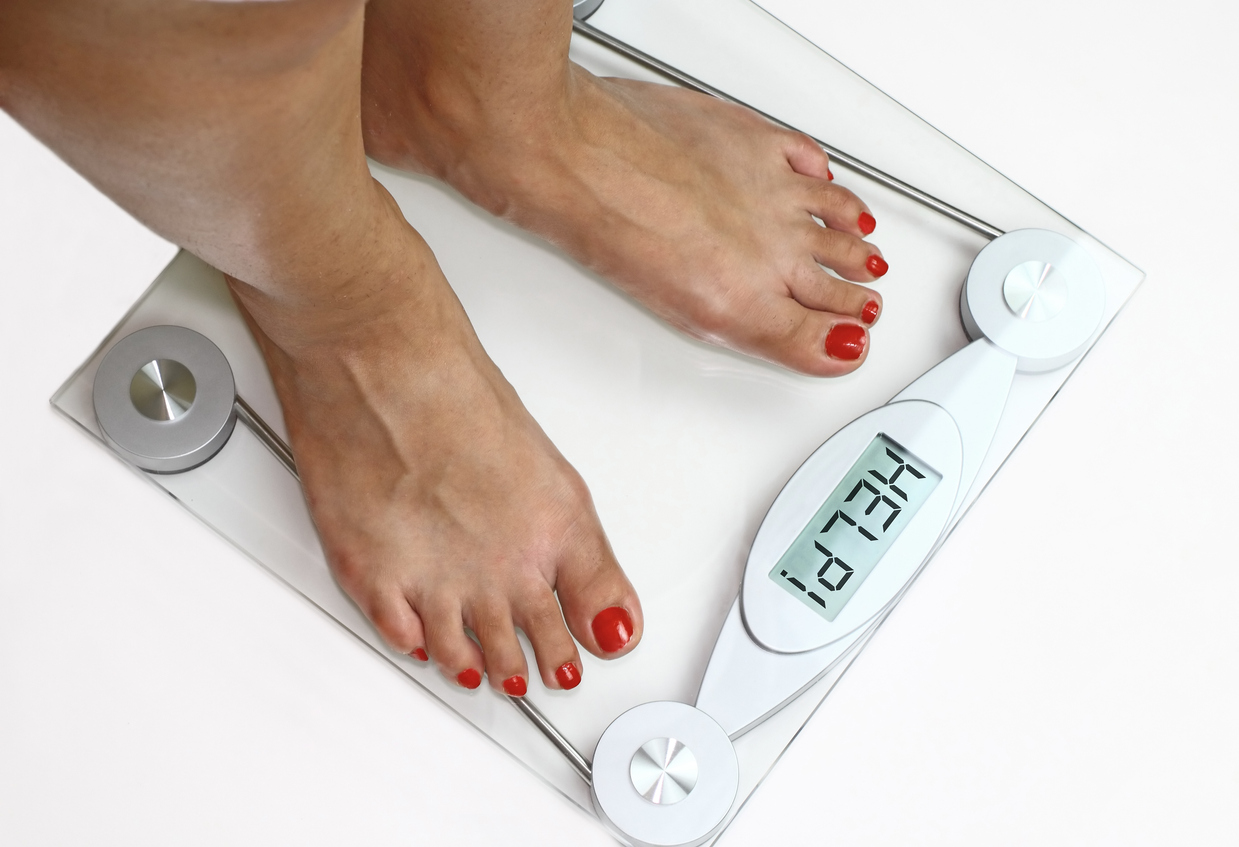
When I helped patients pursue “non-diet weight loss,” I didn’t ask them to count calories, carbs, fat, etc., but I did help them make changes — such as being “mindful” about portion sizes — with the express goal of losing weight, and I weighed many of them every time I saw them. My increasing discomfort with the questionable ethics of promoting weight loss when most people regain lost weight regardless of how hard they “work at it” led me to make some serious changes.
The idea of non-diet is often misappropriated by wellness culture. The most common manifestation of this is a strict diet plan that purports to support “optimal health” or heal a nebulous set of symptoms that are allegedly due to an autoimmune response, food sensitivities, leaky gut or something similar.
I’m thinking of one popular protocol (which has a few books to its name) that specifically states that it’s not intended as a weight loss diet, yet they also say that many people do lose some weight, and I am pretty sure that every client of mine who has ever tried that protocol in the past did so with the intent of losing weight, even if they said their primary intent was “health.”
Sometimes, the co-opting of the term “non-diet” is far more blatant. I distinctly remember googling “non-diet” a few years ago. At the top of the search results was an ad for a weight-loss app that shall not be named (if you watch TV, you have probably seen their ads). It actually said “[Name of app] is not a diet — dieting shouldn’t be painful.”
Well, it is a diet, and it was around that time that an acquaintance reached out to me because of her horrible, horrible experience with it. It was affecting her both physically and psychologically, and not in a good way, so she did actually experience “pain” from her experience. I also have a client whose binge eating was re-triggered by her experience with this app, so, yes, more pain.
If not dieting, then what?
As I mentioned, diet culture and wellness culture are so entangled that, really, it’s hard to separate them. This just furthers the idea that the number one thing you can do for your health is to lose weight, even if you tell yourself the changes you make aren’t really about losing weight, they’re about health.
This is something that also trips up many people who start dabbling in Intuitive Eating.
In fact, to my great dismay (and to the even greater dismay of the two dietitians who developed the Intuitive Eating model), there are dietitians and other healthcare practitioners who actually market themselves as offering weight loss through intuitive eating. If you ever see this yourself, run the other way, because this means they are not actually certified in Intuitive Eating, but also because you cannot practice Intuitive Eating while pursuing weight loss.
Now, many of my clients who come to me to learn Intuitive Eating do still desire weight loss. Often, they are in the process of breaking up with dieting, but are still a bit on the fence. Once diet culture gets its tenterhooks in you, it can take some time to become truly free of it.
What if you want weight loss AND food peace?
The desire to become smaller is real, and this is something I help clients process as they begin the work to regain their inner intuitive eater and have a more peaceful relationship with food. This is super important for two reasons:
- It’s impossible to practice the principles of intuitive eating (including honoring your hunger, feeling your fullness and making peace with food) if you are focused on the scales, or on how many calories or carbs are in what you just ate.
- Intuitive Eating helps the body find its natural weight range, and that may be higher, lower, or about the same, compared to where someone started. (It also may not be where you hoped it would be.) This generally depends on the degree to which someone was restricting (due to dieting or a restrictive eating disorder) or eating in excess of their body’s fullness and satisfaction cues (due to binge eating, excessive emotional eating, or simply not being able to listen to their body).
Basically, I never promise weight loss with Intuitive Eating. I have observed #1 and #2 in my clients (although my clients generally stop weighing themselves, so it’s hard to be precise about any weight changes).
What they do universally gain is a greater sense of ease with food, and the ability to enjoy eating nutritious food in a balanced way.
For some, that means being less rigid, being OK with good enough rather than striving for “perfect.” For others that means actually eating more nutritiously, because for the first time they are listening to what their body wants, rather than just grabbing whatever’s handy. That’s much easier when you let go of the idea of “good” and “bad” foods so you’re making choices from a less emotionally charged mindset.
The non-diet bottom line
So to wrap things up, if you ever see “non-diet approach” used in association with restricting calories, carbs, fat, points (or some similar measure), or with altering body size and shape, then it is not “non-diet,” it’s a diet. And I also want to mention that I don’t judge people for wanting to lose weight (given the society we live in and the diet culture waters we swim in). Neither would any true non-diet dietitian worthy of that term. It’s just that there are better ways to approach true physical and mental/emotional health, and we help people find those ways.
Carrie Dennett, MPH, RDN, is a Pacific Northwest-based registered dietitian nutritionist, freelance writer, intuitive eating counselor, author, and speaker.
Her superpowers include busting nutrition myths and empowering women to feel better in their bodies and make food choices that support pleasure, nutrition and health. This post is for informational purposes only and does not constitute individualized nutrition or medical advice.
Seeking 1-on-1 nutrition counseling? Carrie offers a 6-month Food & Body program (intuitive eating, body image, mindfulness, self-compassion) and a 4-month IBS management program (low-FODMAP diet coaching with an emphasis on increasing food freedom). Visit the links to learn more and book a free intro call to see if the program is a good fit, and if we’re a good fit!
Print This PostOriginal Article