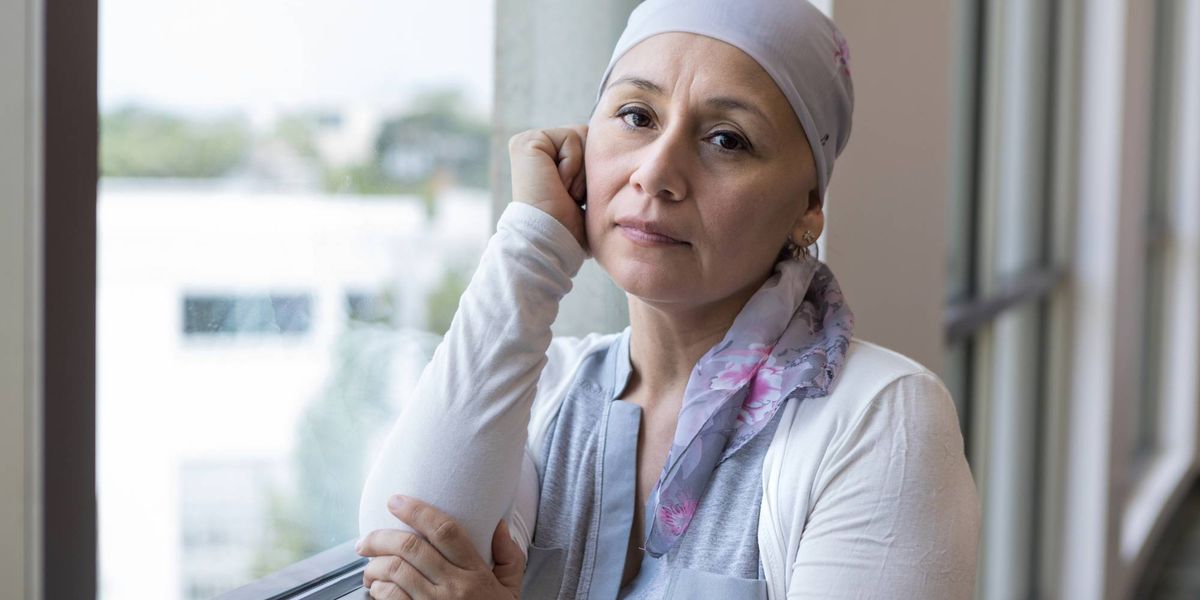

Psycho-oncologists, who address the emotional needs of cancer patients, have determined that a healthy emotional response to a cancer diagnosis includes three phases—initial reaction, distress and adjustment—that will take patients through a typical grieving process.
The initial reaction to a cancer diagnosis is often shock and disbelief, followed by a period of distress characterized by mixed symptoms of anxiety, anger and depression.
Many people say that their experience after a cancer diagnosis also includes feelings of hope and connection. For some, it can be a time of reflection and lead to new goals and priorities.
WF team contacted Bonnie McIntosh, a principal Consultant at ACE Community Health Inc., an MBA, MPH, BA Community Health, and CHES® to cover the aspect of facing cancer diagnosis and coping tips at the emotional front. What she indicated has been mentioned below,
1. Get and Stay Informed
- Get the information that you need to be able to make informed decisions about your care.
- Keep copies of your health information organized.
- Prepare a list of questions before you meet with your health care team.
Examples of questions to consider asking include:
- What type of cancer do I have?
- Has the cancer spread; if so, where?
- How is my cancer treated, and what are the side effects of treatment?
- What is my prognosis, and should I expect to be able to continue my normal routine?
- What can I do to care for myself, and to prevent the cancer from coming back?
- What will my insurance pay for, and not pay for?
- Are there assistance programs to help me pay for my treatment?
- Will I, my family, or friends have to take time off of work?
- Will I be eligible for disability benefits?
- What impact will this have on my life insurance?
2.Maintain Communication
- Maintain open communication with the people closest to you.
- Maintain open communication with your health care team.
- Use two-way communication.
Examples of communication strategies to consider include:
- Determine when you will need to communicate your diagnosis and treatment to the people closest to you.
- Determine what you will need to communicate about your diagnosis and treatment to the people closest to you.
- Determine how you will need to communicate your diagnosis and treatment to the people closest to you.
- Determine the best way to communicate with your health care team.
- Determine how you will cope with stigmas related to your diagnosis and treatment.
3. Get Support
- It may be difficult to process information around your diagnosis and having support during this difficult time may help.
Examples of support to consider getting include:
- Bring a friend or family member to health care visits.
- Join support groups, and use services in your area.
- It may be helpful to talk to people who have shared your experiences; so talk to other people who have cancer, and who have had cancer.
- A cancer diagnosis and treatment can impact the person diagnosed and treated, as well as their loved ones; so accept help from friends and family members, and also assure your friends and family members that it is okay to accept help.
- Get support from a spiritual advisor or counselor.
4. Practice Self-Care
- Maintain a healthy lifestyle
- Adopt strategies that will help you to cope with your cancer diagnosis
Examples of maintaining a healthy lifestyle and coping strategies to consider include:
- Get adequate rest
- Choose healthy foods
- Manage stress
- Choose and do relaxation techniques that you enjoy
- Move your body/exercise in ways that you enjoy
- Set priorities and keep a journal
- Make time for yourself and for your relationships
- Prepare yourself for physical changes that come with a cancer diagnosis and treatment
- Get and stay informed, and maintain open communication
- Get support
You should always seek the advice of your physician or qualified health provider with any questions that you have about a medical condition. Never delay seeking professional medical advice or disregard professional medical advice.
Disclaimer
The Content is not intended to be a substitute for professional medical advice, diagnosis, or treatment.
Always seek the advice of your physician or other qualified health provider with any questions you may have regarding a medical condition.Original Article