
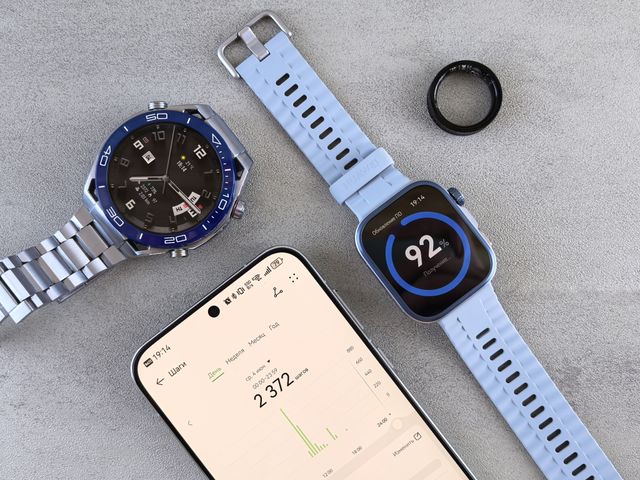
Technology has become a regular part of active living, but the most useful devices are often the ones that require the least attention. People who spend their days walking, exercising, traveling, commuting, or moving between work and personal activities usually do not want to stop constantly to check a screen. This is one reason wearable technology has evolved from simple fitness trackers into devices designed to work more naturally in the background.
Smart wearables such as smartwatches, fitness rings, wireless earbuds, and intelligent eyewear all offer different ways to stay connected without carrying additional equipment. The best wearable is not necessarily the one with the longest list of features.
It is the one that fits comfortably into an existing routine and makes everyday activities easier without becoming another distraction.
Why Wearable Technology Works Well For Active People
An active lifestyle often involves situations where using a smartphone is inconvenient. Someone hiking a trail, walking through a new city, cycling, exercising outdoors, or carrying bags may not want to stop and reach for a phone every few minutes. Wearable technology can reduce some of that friction by making commonly used functions easier to access.
A smartwatch can provide quick notifications and activity information. Wireless earbuds make it possible to listen to audio or take calls while moving.
Fitness rings monitor certain activity and wellness metrics without requiring a screen. Smart eyewear extends the same concept into something many people already wear every day. The common advantage is convenience. Instead of introducing another object that has to be carried, wearables integrate technology into accessories people already use.
AI Glasses Are Expanding The Wearable Category
Eyewear is becoming one of the more interesting areas of wearable technology because glasses naturally sit within a person’s field of view and daily routine.
Modern AI glasses show how familiar frame designs can be combined with connected features while still functioning as everyday eyewear.
This can be especially relevant for people who prefer hands-free technology. During a walk, trip, outdoor event, or busy day, wearable eyewear can provide a different kind of interaction than a phone. Instead of repeatedly stopping to use a handheld screen, users can rely on voice-based or wearable features for certain tasks. The broader appeal is not simply artificial intelligence.
It is the possibility of accessing useful technology in a way that feels less disruptive to movement and daily life.
Staying Active Without Constantly Looking At A Screen
One concern surrounding modern technology is the amount of time people spend looking down at phones. Even during outdoor activities or social situations, notifications and apps can pull attention away from the environment.
Wearables can help reduce that dependence when used thoughtfully. A quick audio update or hands-free interaction may be enough to provide necessary information without requiring someone to unlock a phone and navigate several apps. This does not mean screens will disappear, but some routine interactions can move into more subtle devices.
For active users, that shift can be valuable. Technology becomes something that supports the activity rather than interrupting it.
Smartwatches Still Have An Important Role
Smartwatches remain one of the most established wearable categories because they combine activity tracking with communication and convenience. For runners, walkers, gym users, and people monitoring everyday movement, having basic information on the wrist can be useful.
They can also reduce how often a phone needs to come out of a pocket. Checking a timer, seeing a notification, controlling music, or reviewing basic workout information can often be handled with a quick glance.
The key is choosing features that match actual habits.
Someone focused on running may prioritize GPS and workout metrics, while another person may care more about communication, reminders, and everyday convenience.
Fitness Rings Offer A More Minimal Approach
Not everyone wants another screen. Fitness rings have become popular partly because they provide a quieter approach to wearable technology. These compact devices are generally designed to work in the background, collecting information without requiring frequent interaction. For people who want to track certain wellness or activity patterns but do not enjoy wearing a smartwatch, a ring may feel more natural.
This reflects a larger trend in wearable technology: devices are becoming less noticeable.
Instead of demanding constant attention, many are designed to collect information or provide assistance while allowing the user to focus on other things.
Audio Wearables Make Movement Easier
Wireless earbuds have also become an important part of active lifestyles. They allow users to listen to podcasts, music, calls, or navigation instructions without holding a device. For walking and commuting, audio can be particularly useful because information can be delivered while the user continues moving.
Open-ear designs and other approaches that maintain awareness of the surroundings have also expanded the choices available to people who want audio during outdoor activities. As with any wearable technology, comfort matters.
A device that sounds impressive on paper but becomes uncomfortable after an hour is unlikely to become part of someone’s long-term routine.
Comfort And Design Matter As Much As Features
Smart wearables are different from most technology because they are physically attached to the body for extended periods. That makes design particularly important. Weight, fit, materials, battery life, and ease of use can matter as much as technical specifications. Glasses need to feel balanced on the face, watches should remain comfortable during movement, and earbuds should stay secure without creating irritation.
Style also matters because many wearables are visible throughout the day.
A device may offer advanced technology, but people are less likely to use it regularly if it does not fit their personal style. This is one reason wearable manufacturers increasingly focus on making technology look like familiar accessories rather than obvious gadgets.
Think About The Activities You Actually Do
The best smart wearables setup is highly personal. Someone who spends weekends hiking has different needs from someone who spends most of the day moving between meetings, errands, and family activities.
Before choosing a wearable, think about the moments when technology currently feels inconvenient. Do you frequently stop to check directions?
Do you want to capture photos while keeping your hands free? Do you track workouts? Do you need quick access to messages while commuting? These questions are more useful than simply comparing which device has the most features.
A wearable should solve a recurring problem or make an existing activity easier.
Avoid Building A Collection Of Unused Gadgets
The smart wearables market can make it tempting to buy several devices that perform overlapping tasks. In practice, a smaller collection of useful technology is often better.
A smartwatch may already handle activity tracking and notifications. Smart eyewear may offer a more natural way to interact while walking or traveling. Earbuds may cover audio and calls.
There is little benefit in owning multiple products if they all end up competing for attention.
Choosing technology based on actual routines also makes it easier to determine whether a new device adds genuine value or simply introduces another battery to charge.
The Future Of Wearables Is More Natural
Wearable technology is gradually moving away from the idea that every smart device needs a large screen or complex interface. The next generation of products is increasingly designed to blend into familiar objects and work through voice, audio, sensors, and AI-assisted features. For people with active lifestyles, this direction makes sense. Good technology should allow users to keep moving, exploring, exercising, and interacting with the world around them.
The most useful smart wearables are ultimately the ones that become almost forgettable.
They fit comfortably, provide help when needed, and stay out of the way when they are not. As the category continues to develop, that balance between technology and simplicity may become far more important than adding another screen to everyday life.
Disclaimer: This story is auto-aggregated by a computer program and has not been created or edited by evesfit.
Publisher: Source link